
Many of the island’s great sights are within walking distance of the hotel; the rest are a short drive into the countryside.
In the old town
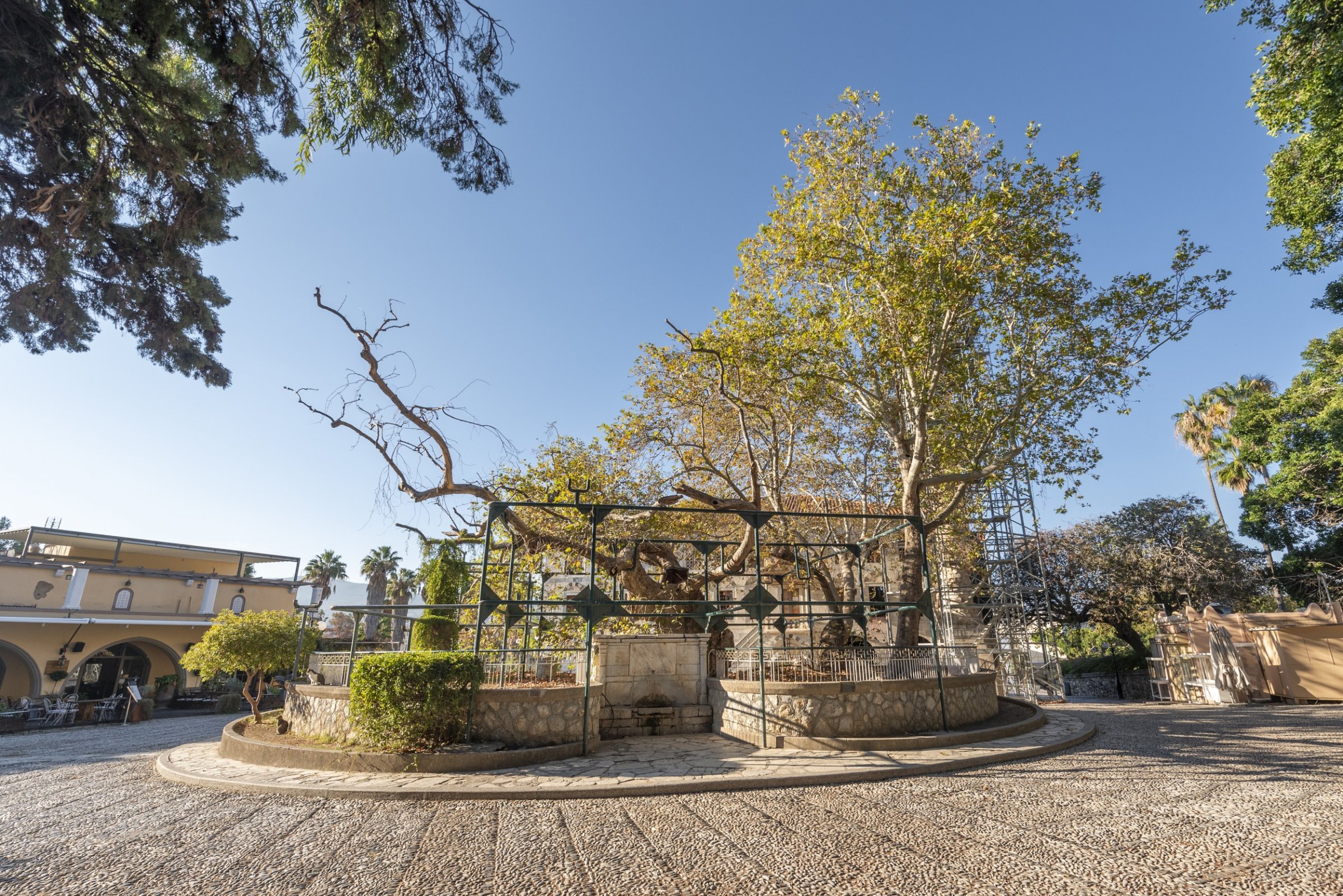
Hippocrates Plane Tree
0.5 km from hotelPlanted by Hippocrates, so tradition has it, the plane tree is around two thousand four hundred years old. In its shade the great physician is said to have taught medicine to his students. It stands opposite the Castle of Neratzia, beside the Ancient Agora, and is an Oriental plane (Platanus orientalis).
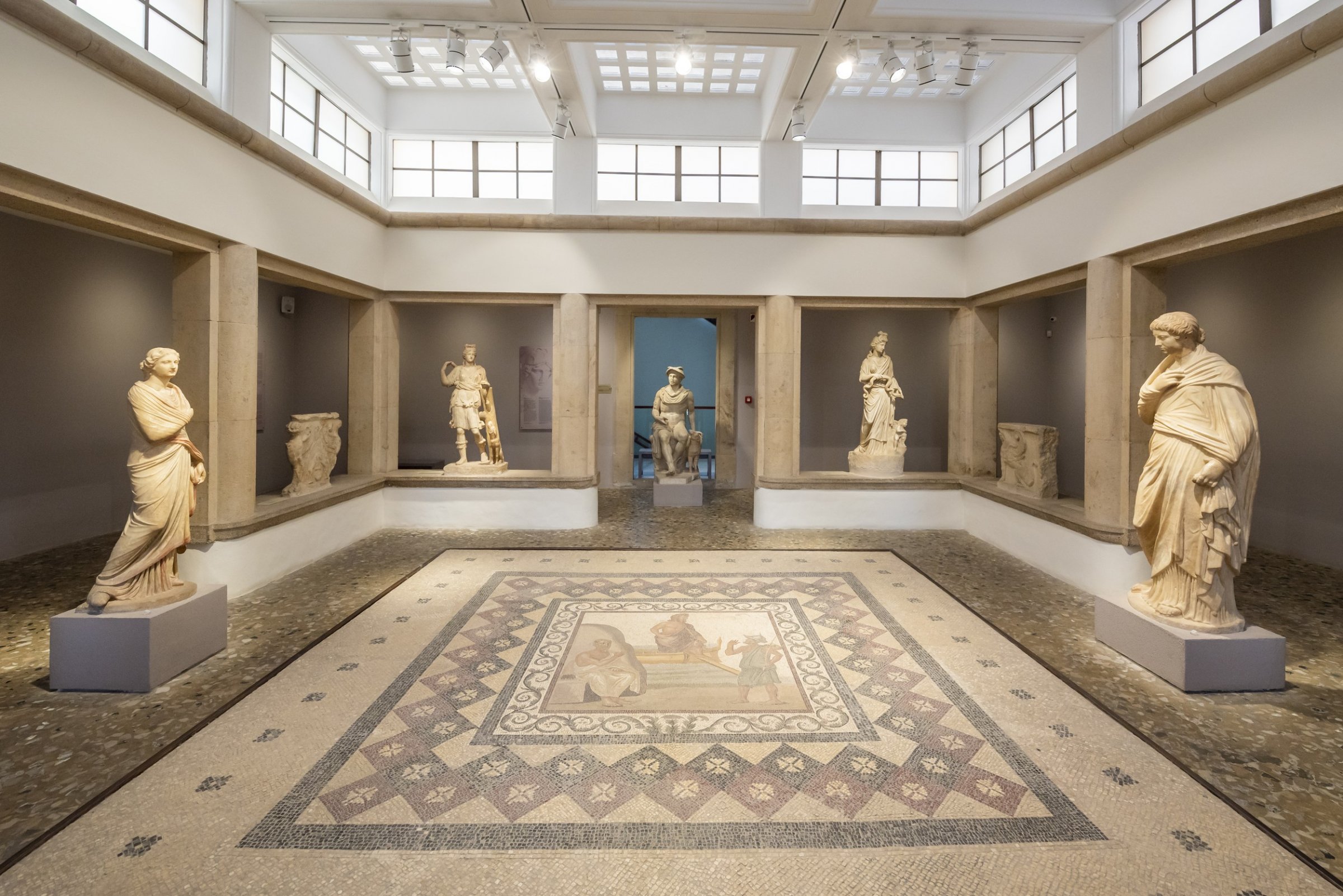
Archaeological Museum of Kos
0.6 km from hotelThe two-storey building on Eleftherias Square, in one of the most central parts of town, dates from the period of Italian rule and was built in 1935. Inside you’ll find a rich collection of finds: Hellenistic statues, Classical sculpture, mosaics, late-Archaic reliefs and busts of Hippocrates.
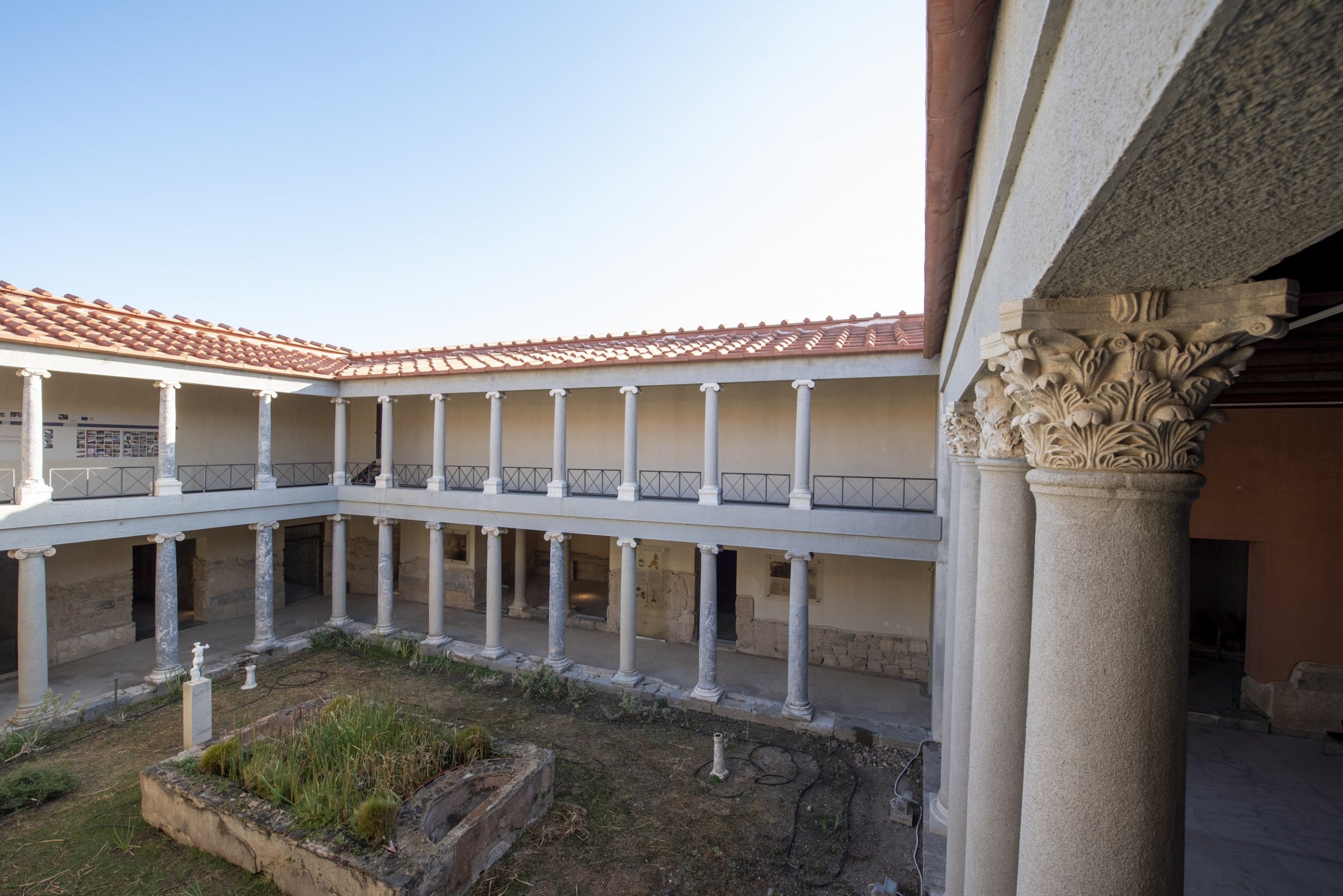
Casa Romana
0.8 km from hotelWith thirty-six rooms, three open-air courtyards and a remarkable drainage system, this Pompeii-style Roman villa is one of the most fascinating buildings on the island. Almost every room is laid with mosaics or richly decorated, making for an unexpected journey through time.
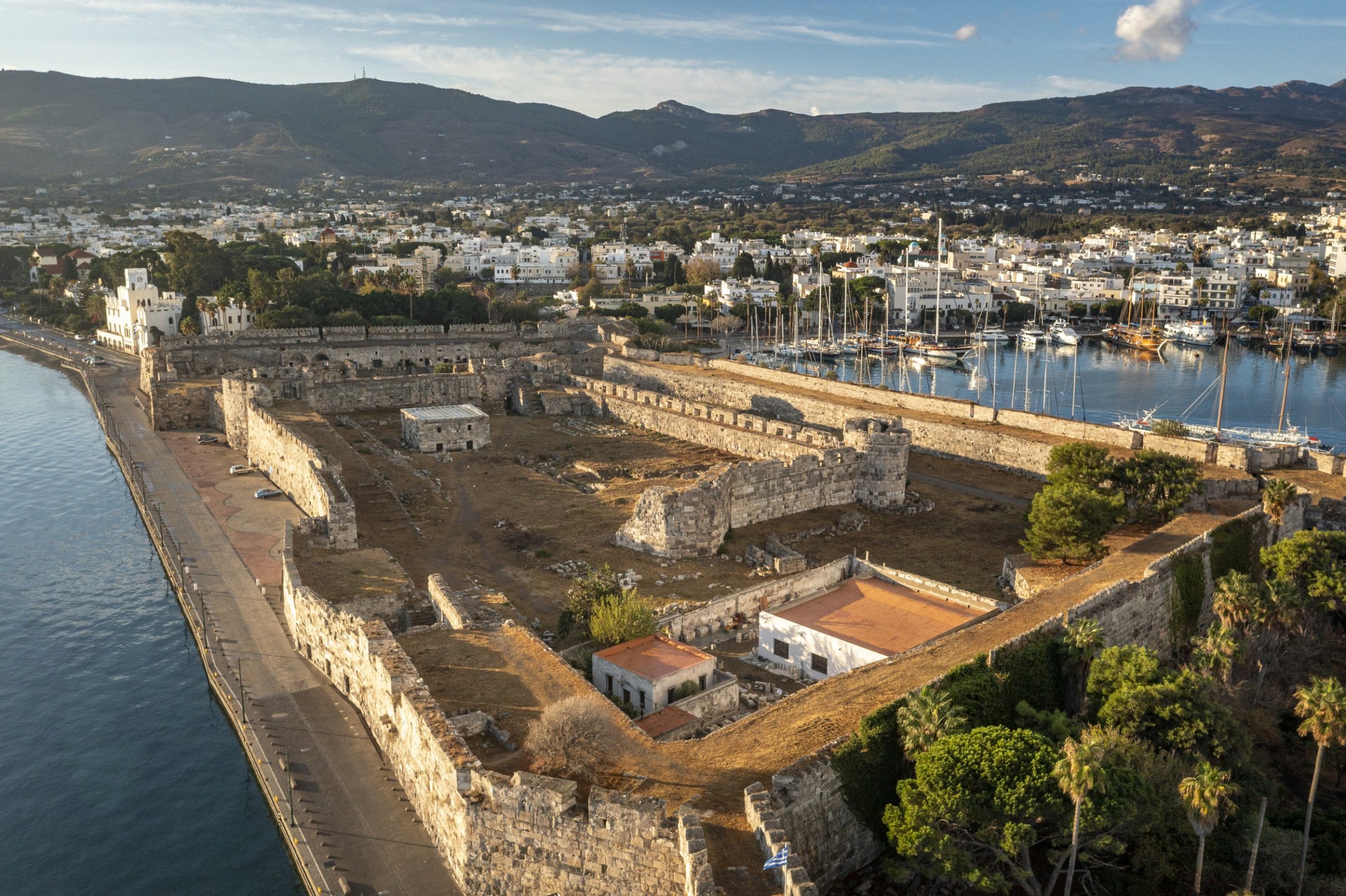
Neratzia Castle
0.5 km from hotelPart of the fortifications built by the Knights of St John in the late 14th century AD, the castle takes its name from the bitter-orange and lemon trees once planted here. Rectangular in plan, with two fortified enclosures, it guarded the sea route to the Holy Land. Tellingly, much of its stone was taken from the Asklepieion and the ancient city of Kos.
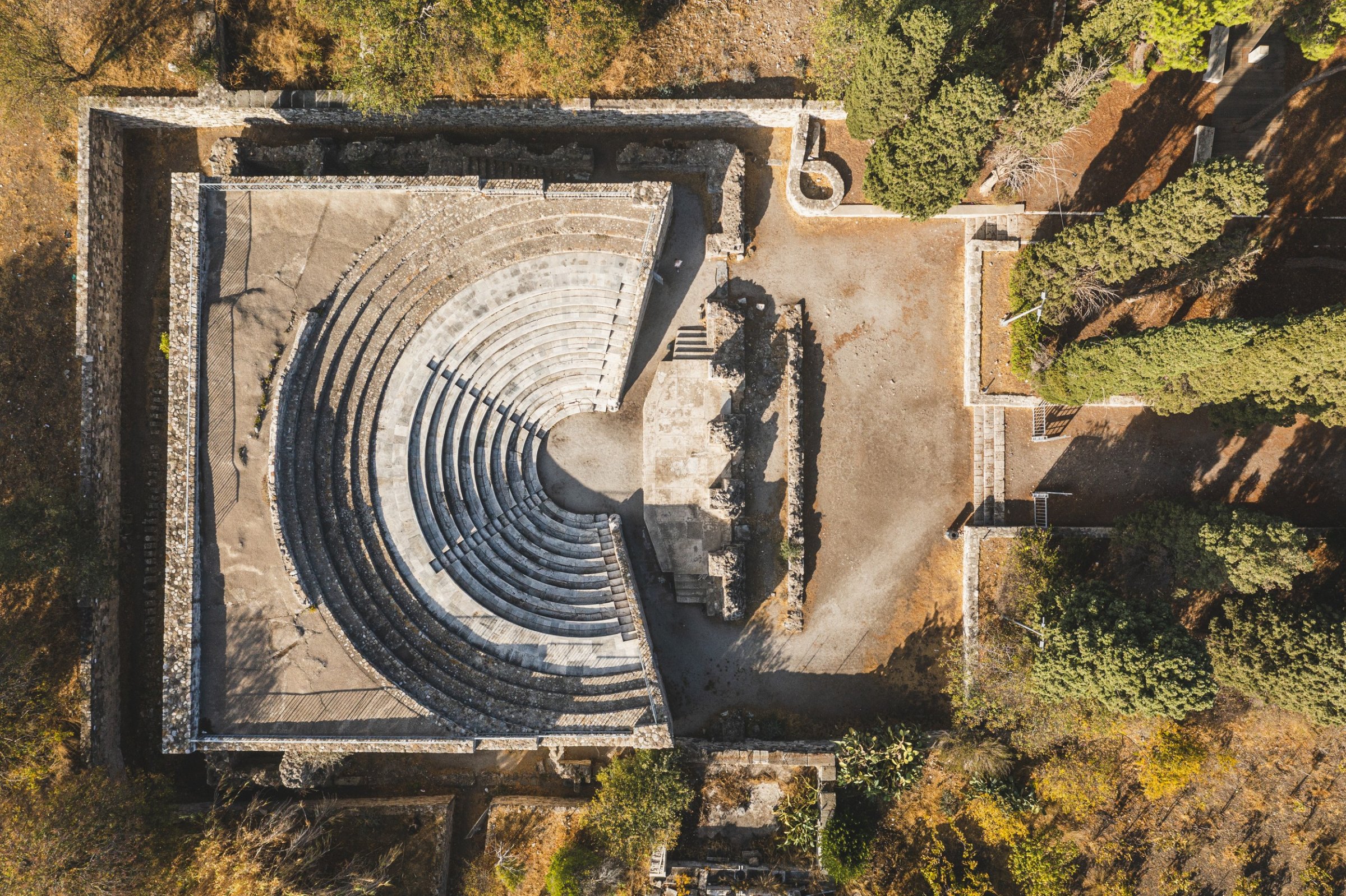
Roman Odeon of Kos
1.5 km from hotelBuilt in the 2nd century AD to host musical contests, the Roman Odeon was later used by the Senate. Seating around seven hundred and fifty, it is thought to stand on the site of an earlier public building, and today it hosts cultural events through the summer.
At the edge of town
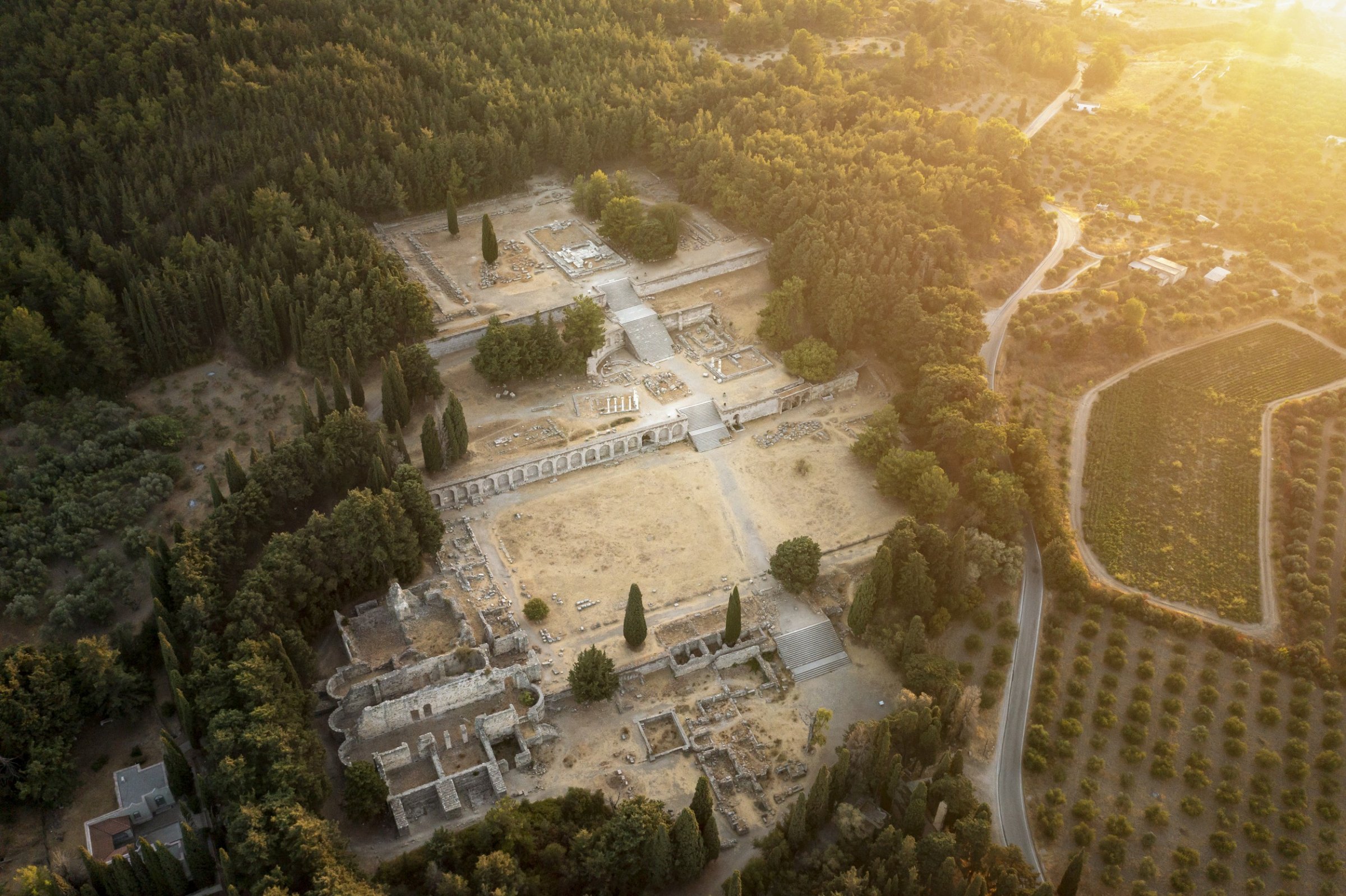
Asklepieion
3.5 km from hotelIn 1902 the German archaeologist Rudolf Herzog, with the Koan historian Iakovos Zarraftis, brought to light the island’s most important monument, the Asklepieion. This was where Hippocrates taught and the god Asclepius was worshipped — a place of healing, effectively a hospital. Dating from the 4th century BC, it lies on the south-western edge of the city.
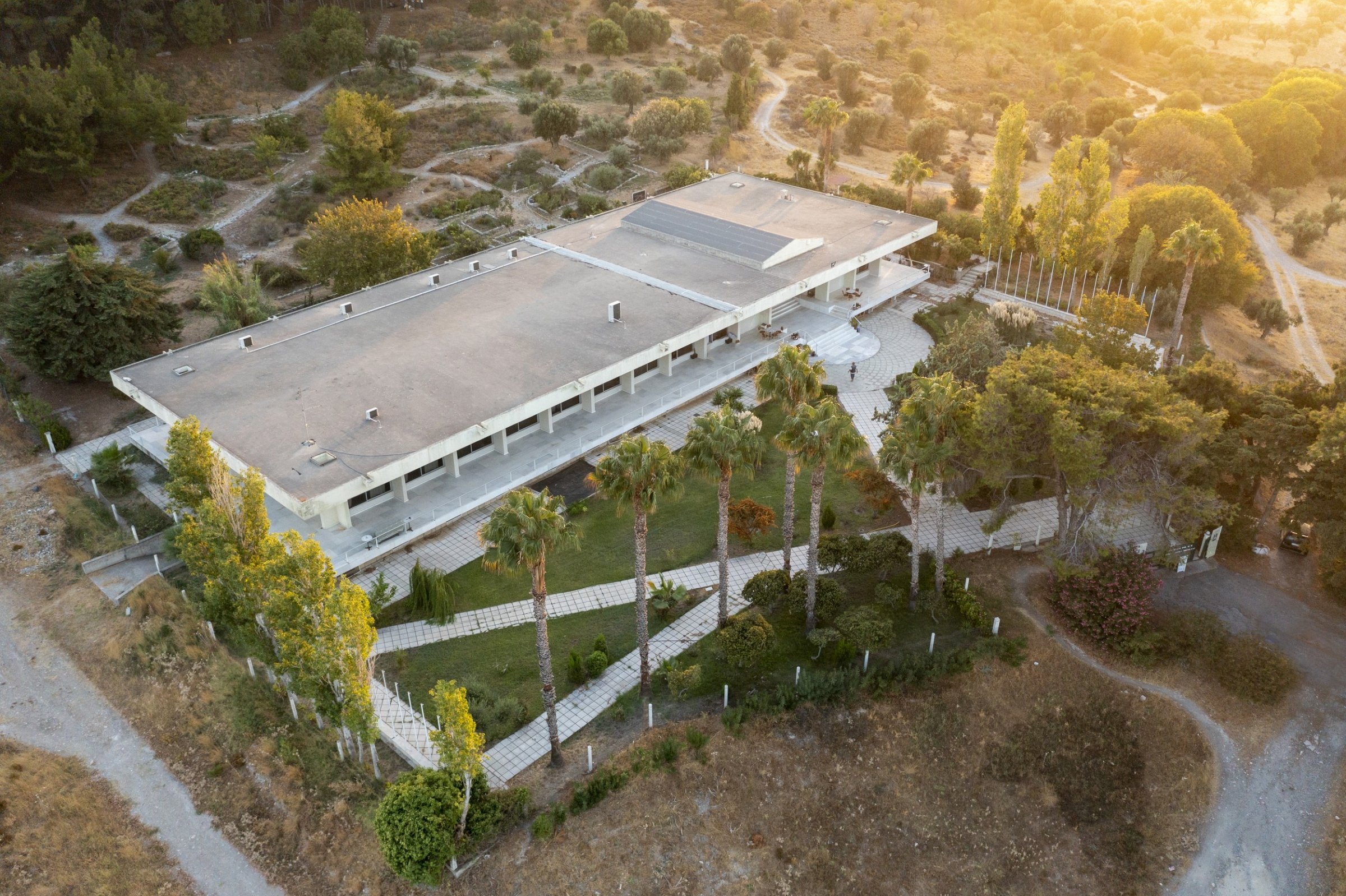
International Hippocratic Foundation of Kos
3.5 km from hotelDevoted to charitable work since 1979, the International Hippocratic Foundation of Kos hosts the annual Amphictyonies, conferences where medical ideas are exchanged. Its 380,000-square-metre grounds are planted with pines, cypresses and wildflowers, and visitors can tour the Hippocrates garden to learn about the herbs the great physician used.
Across the island
Dikaios & Zia Natural Park
15 km from hotelThe island’s highest mountain — known in antiquity as «Oromedon» — is made for exploring: the remains of a medieval settlement, water cisterns, bricks and countless potsherds from different eras lie scattered across its uneven slopes, waiting to be found. Just as rewarding are the trails of the Zia Natural Park, where you can rest in the hammocks at the summit or pick out the neighbouring islands through the binoculars provided.
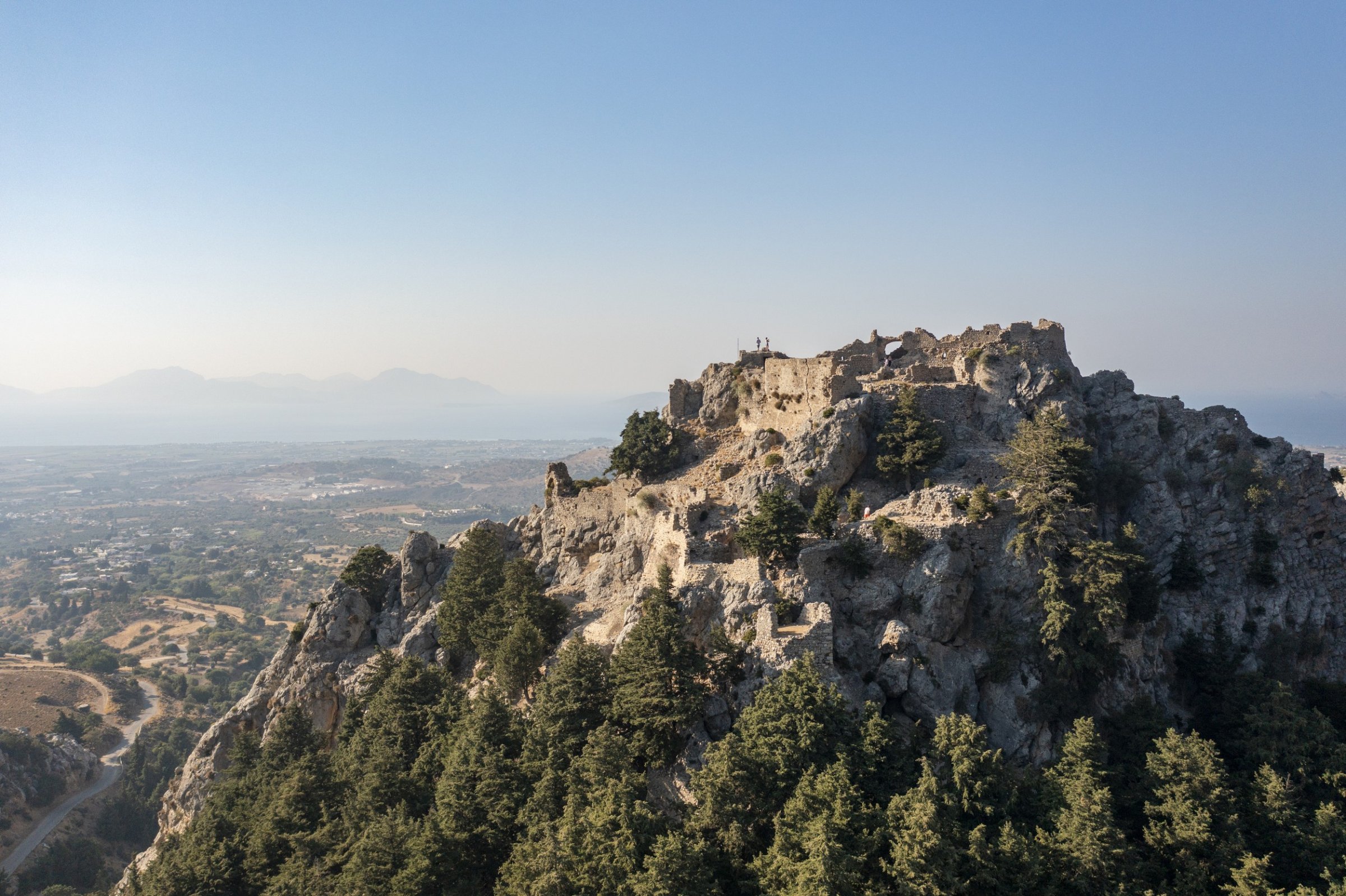
Paleo Pyli
17 km from hotelThe ruins of the medieval hill-town of Paleo Pyli date from the 11th century AD onward, crowning a hilltop with views over the neighbouring islands of Pserimos and Kalymnos. So many churches once stood here that in the 1980s the area earned the name «Mistras of the Dodecanese». The castle — also known as the Peripatos Castle — sits at around three hundred metres, unattended and easy to reach.
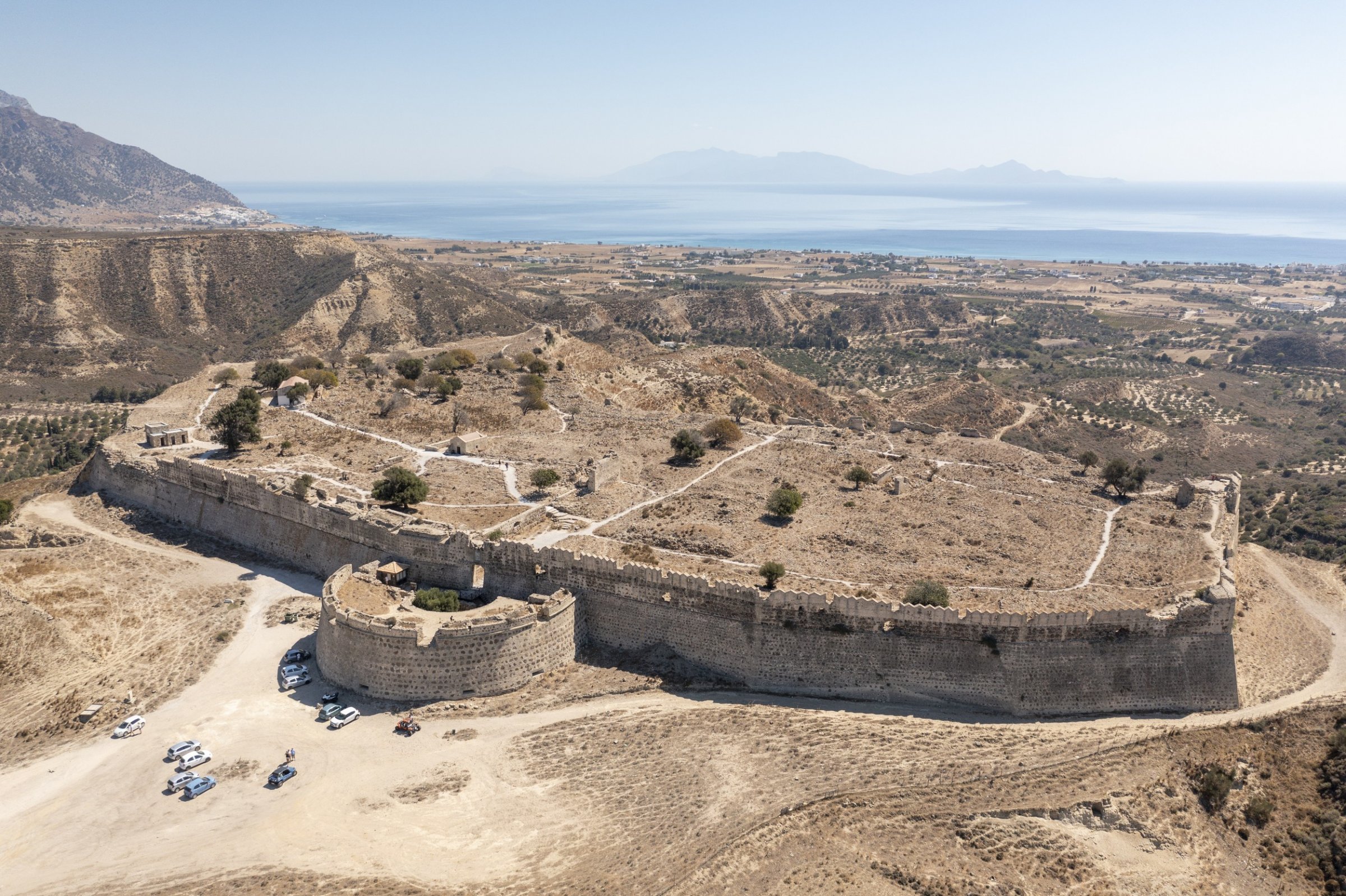
Antimachia Castle
25 km from hotelSet on a hilltop south-east of the village, Antimachia Castle was built between 1322 and 1346 and once served as a prison for convicted knights. After a destructive earthquake in 1494 it was restored by the Knights Hospitaller. Nearby you’ll find the traditional windmill and the local Folklore Museum, with its old furniture and household objects.
